Enterprise UX, UX Research, Product Design
Deloitte Bersin: Research and a Record-Setting HR E-Reader
Research and discovery for Deloitte's newly acquired Bersin HR research platform, followed by the interactive, mobile-first E-Reader that replaced its static PDFs and produced the longest sustained sessions in Deloitte history.
 Deloitte
- 01 Problem
At acquisition, the Bersin platform was visually dated, limited in function and cognitively overwhelming. Users couldn't find HR knowledge quickly, share findings or take notes without third-party tools, and 36,000+ reports were locked in static PDFs.
- 02 Approach
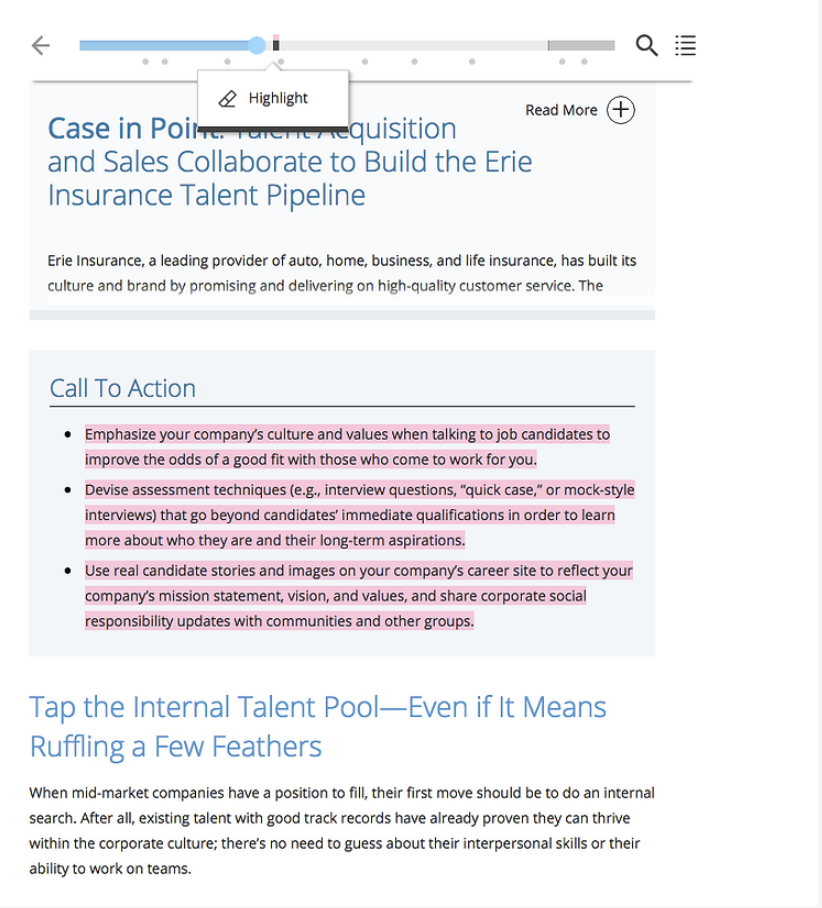
Interviews, empathy mapping, story mapping, a week-long stakeholder off-site and an analytics usage audit defined the MVP. The team then built an E-Reader with highlighting, embedded notes, a scrubber bar and smart, phrase-sensitive search.
- 03 Outcome
An average session of 3.5 hours, the longest sustained use in Deloitte history, and a projected revenue path from $20M to $250M for the Human Capital division.
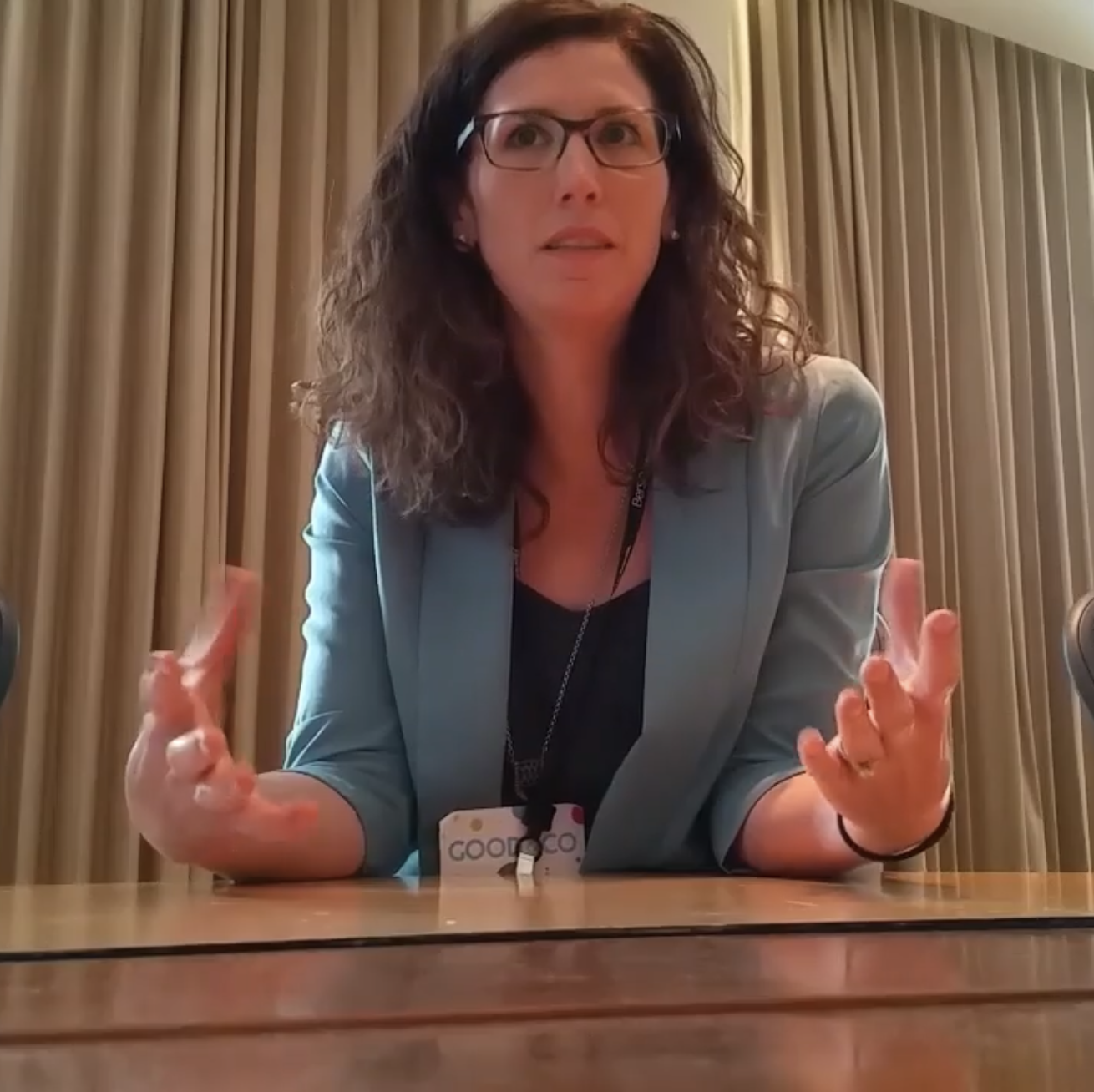
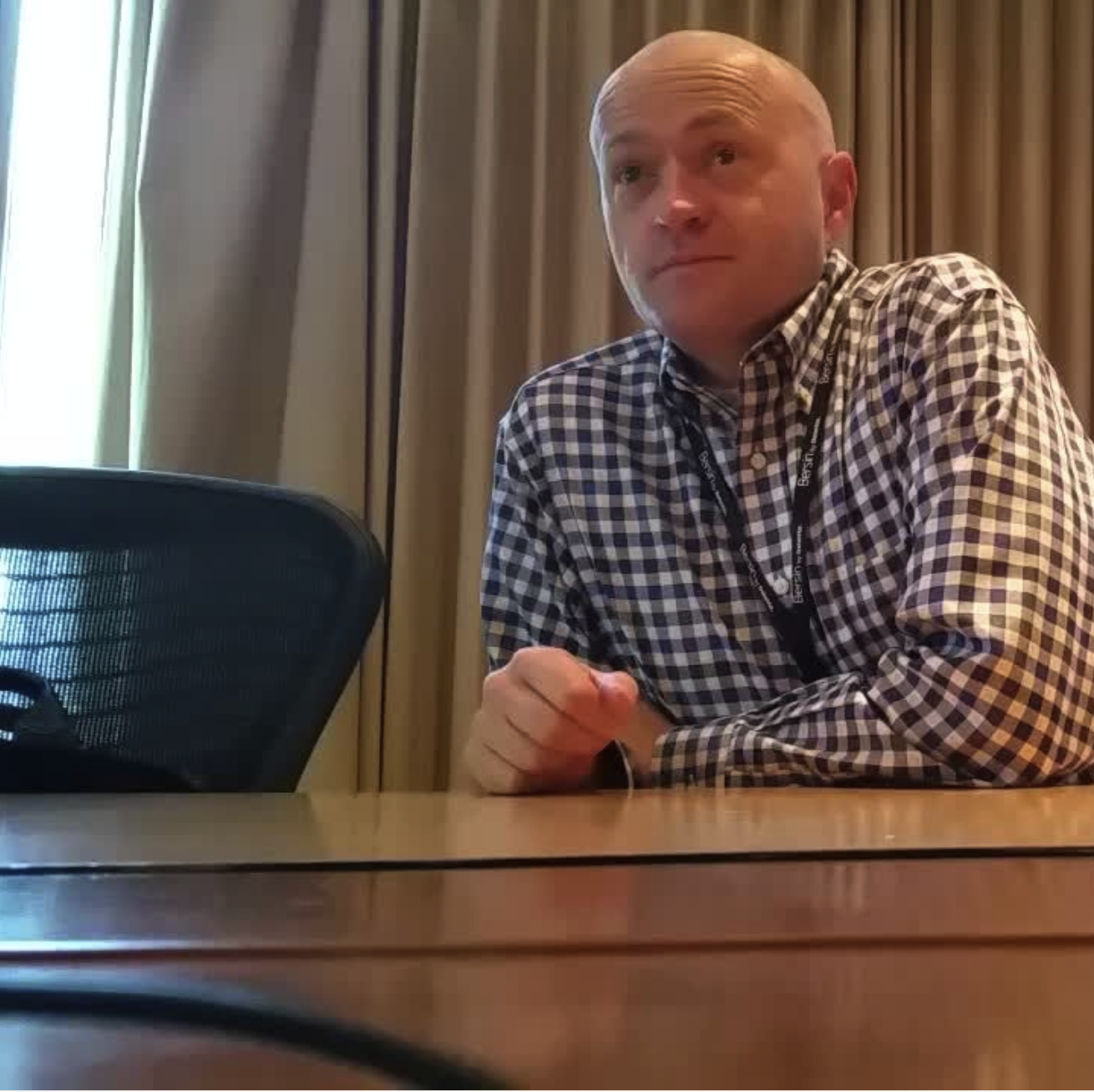
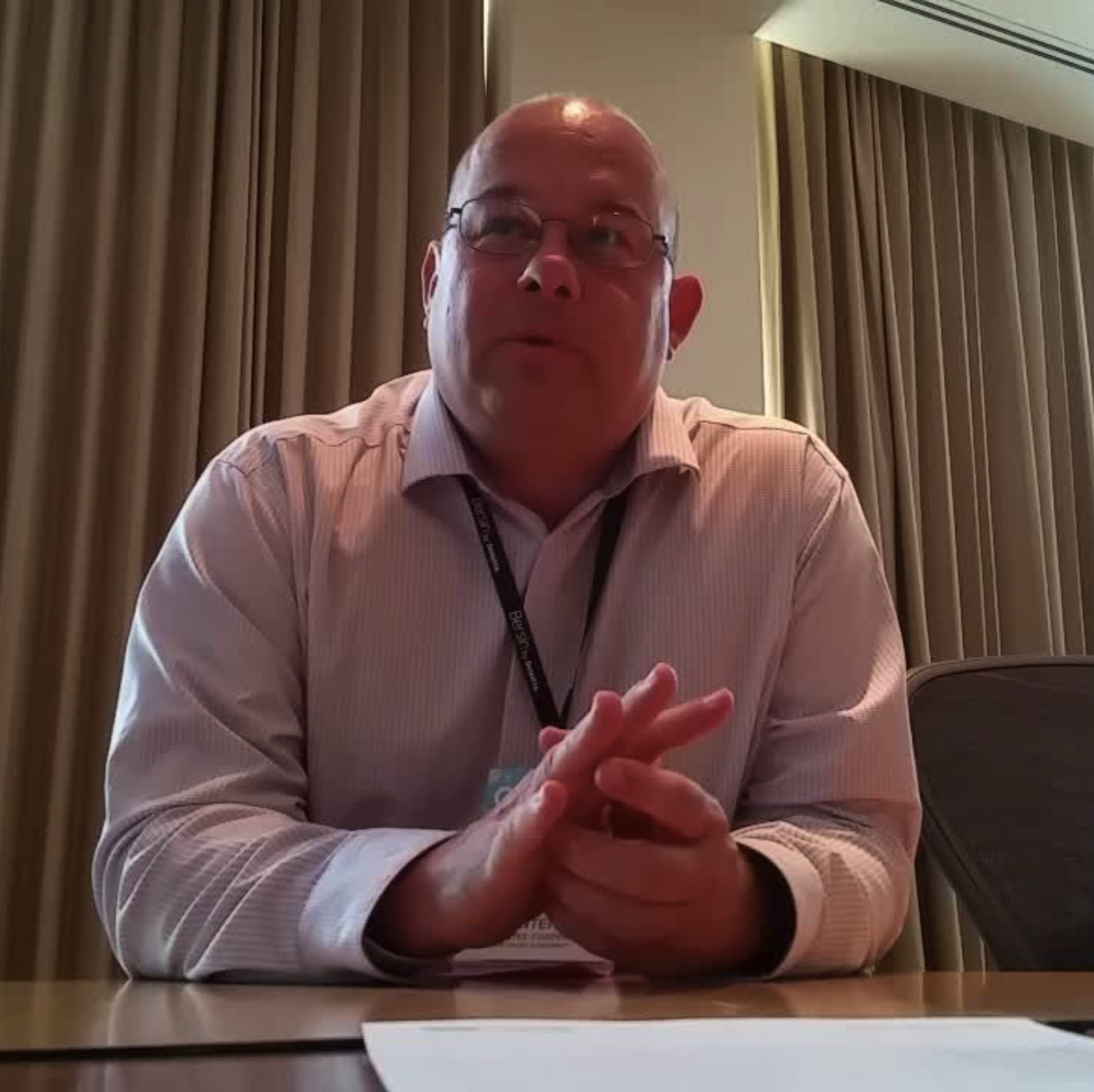
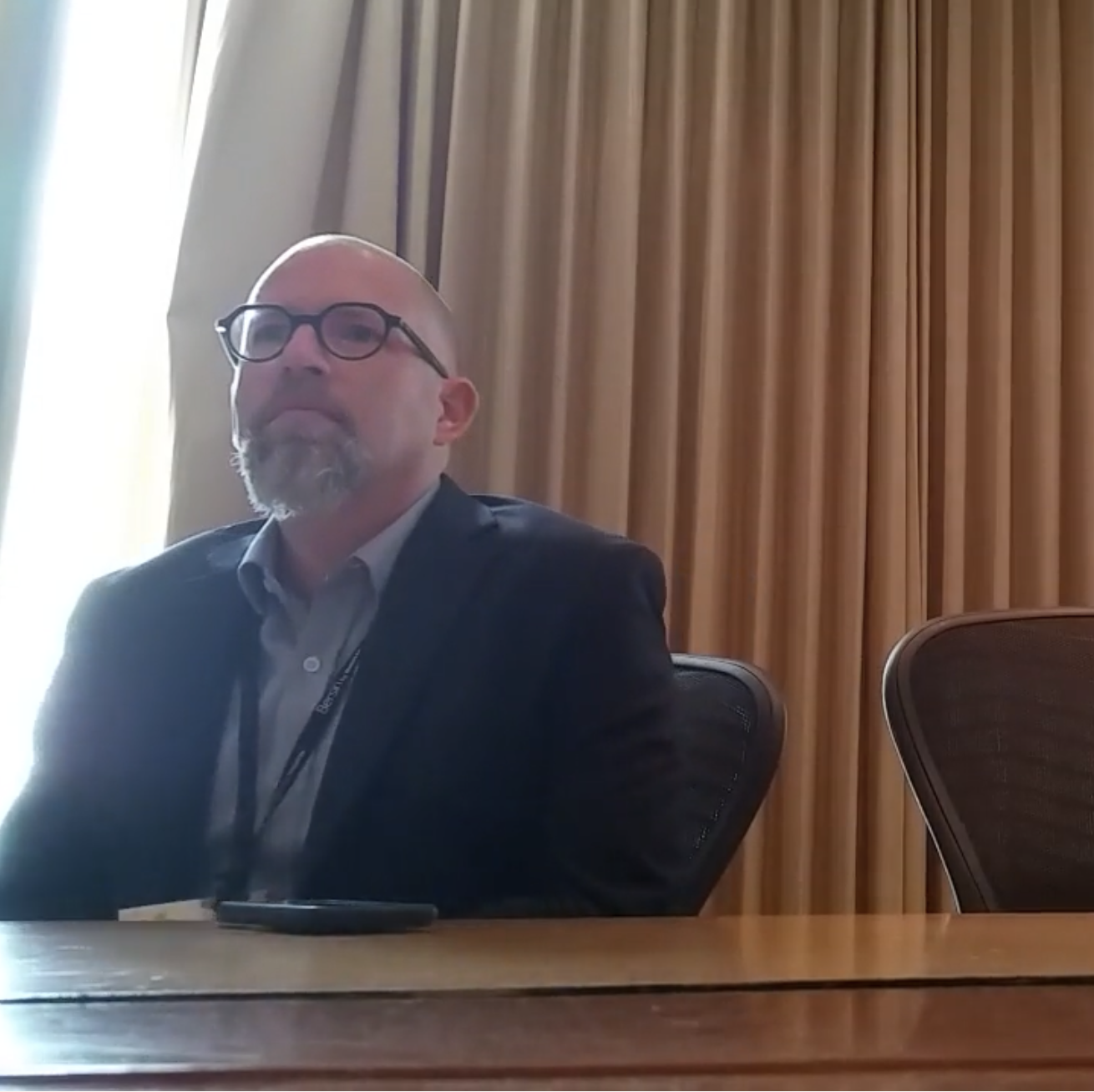
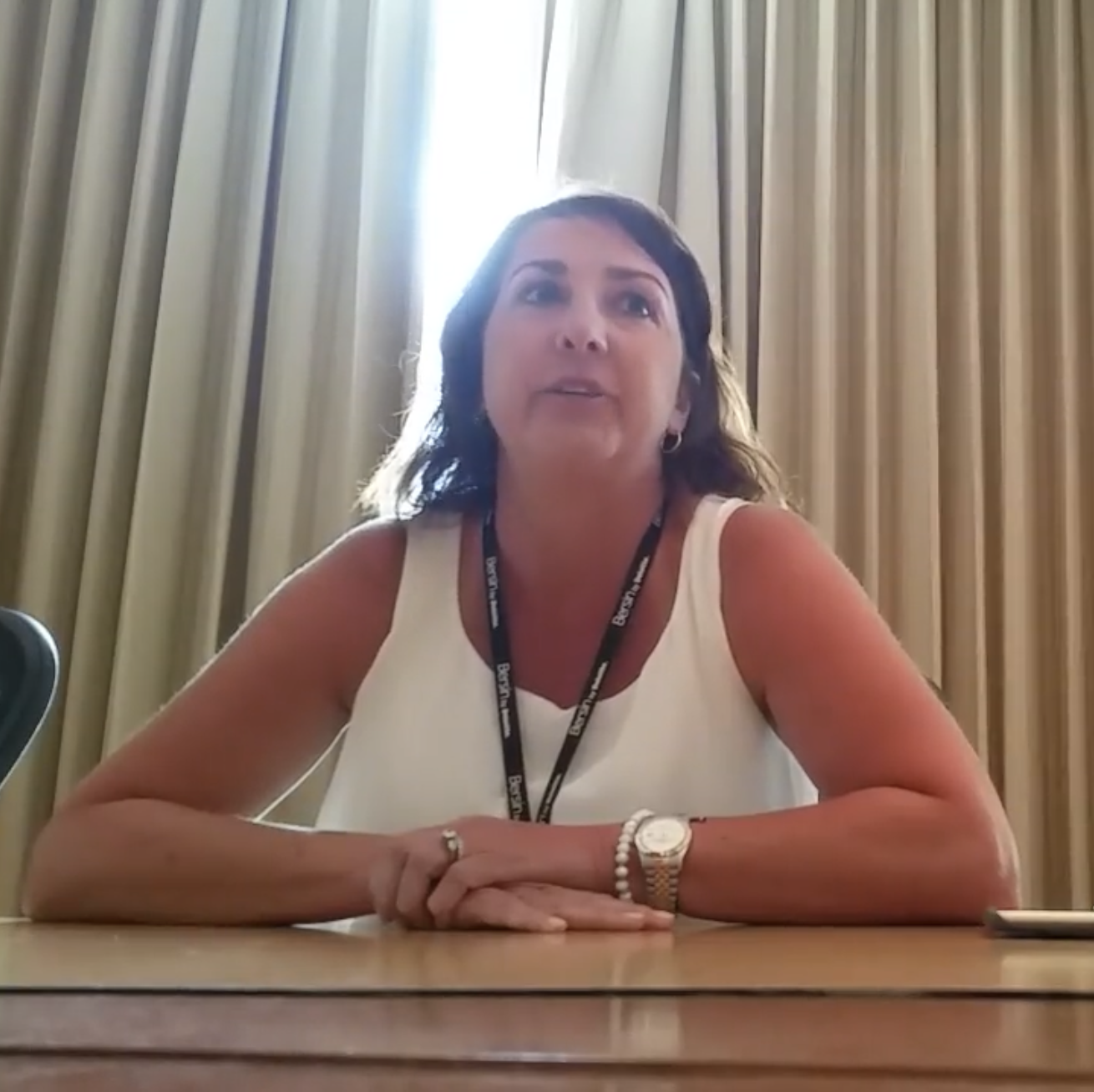
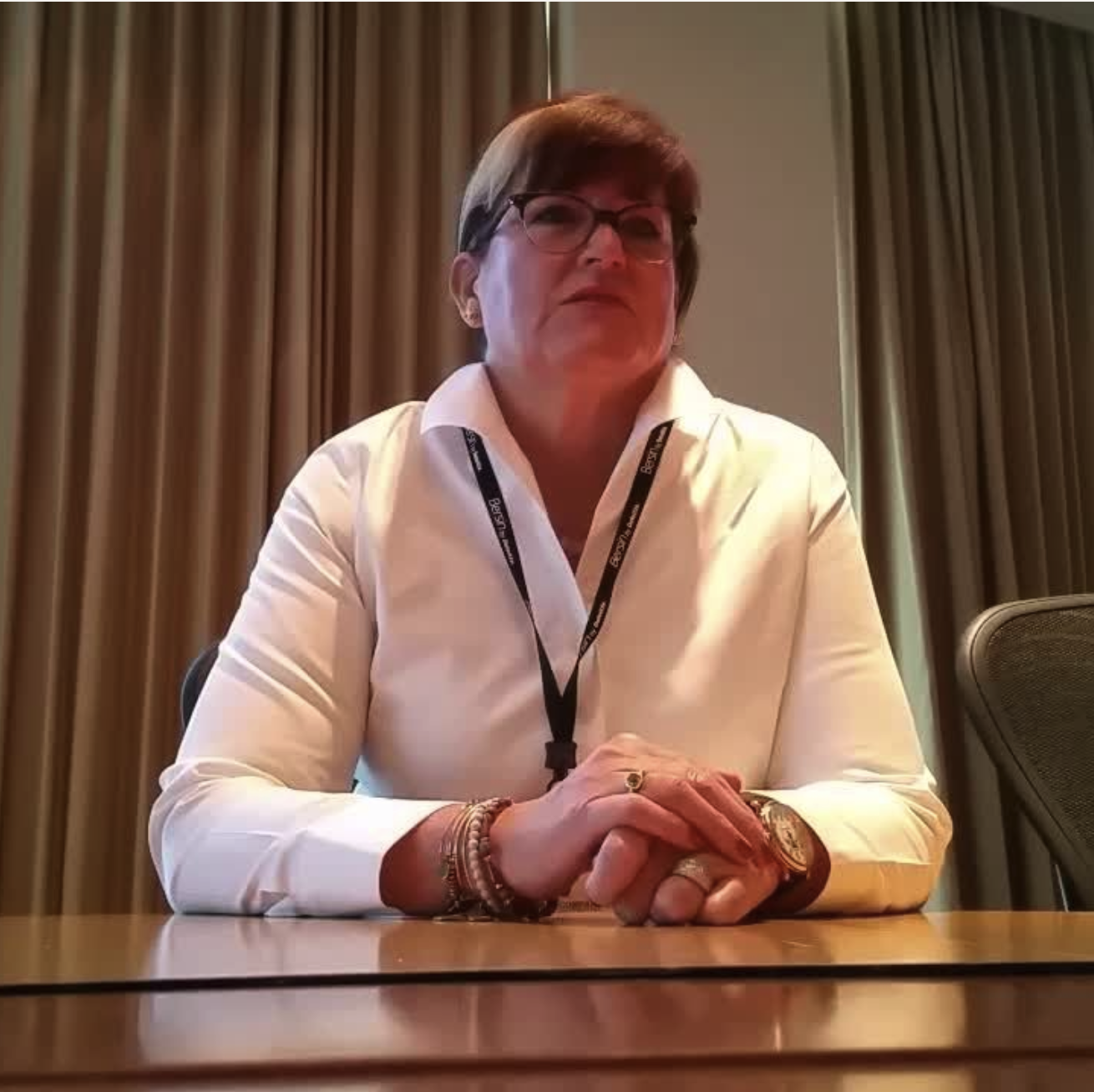
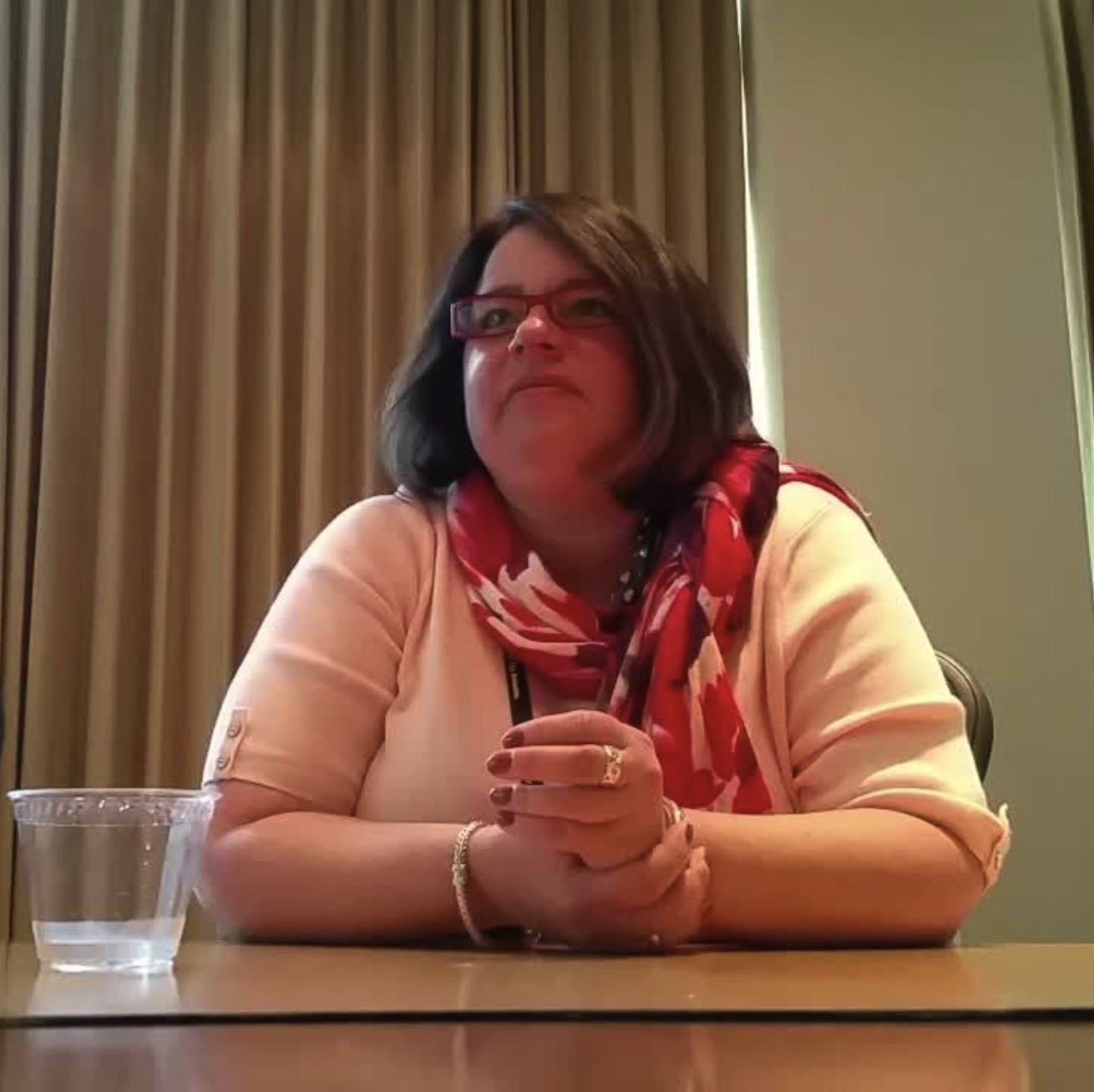
Executive interviews
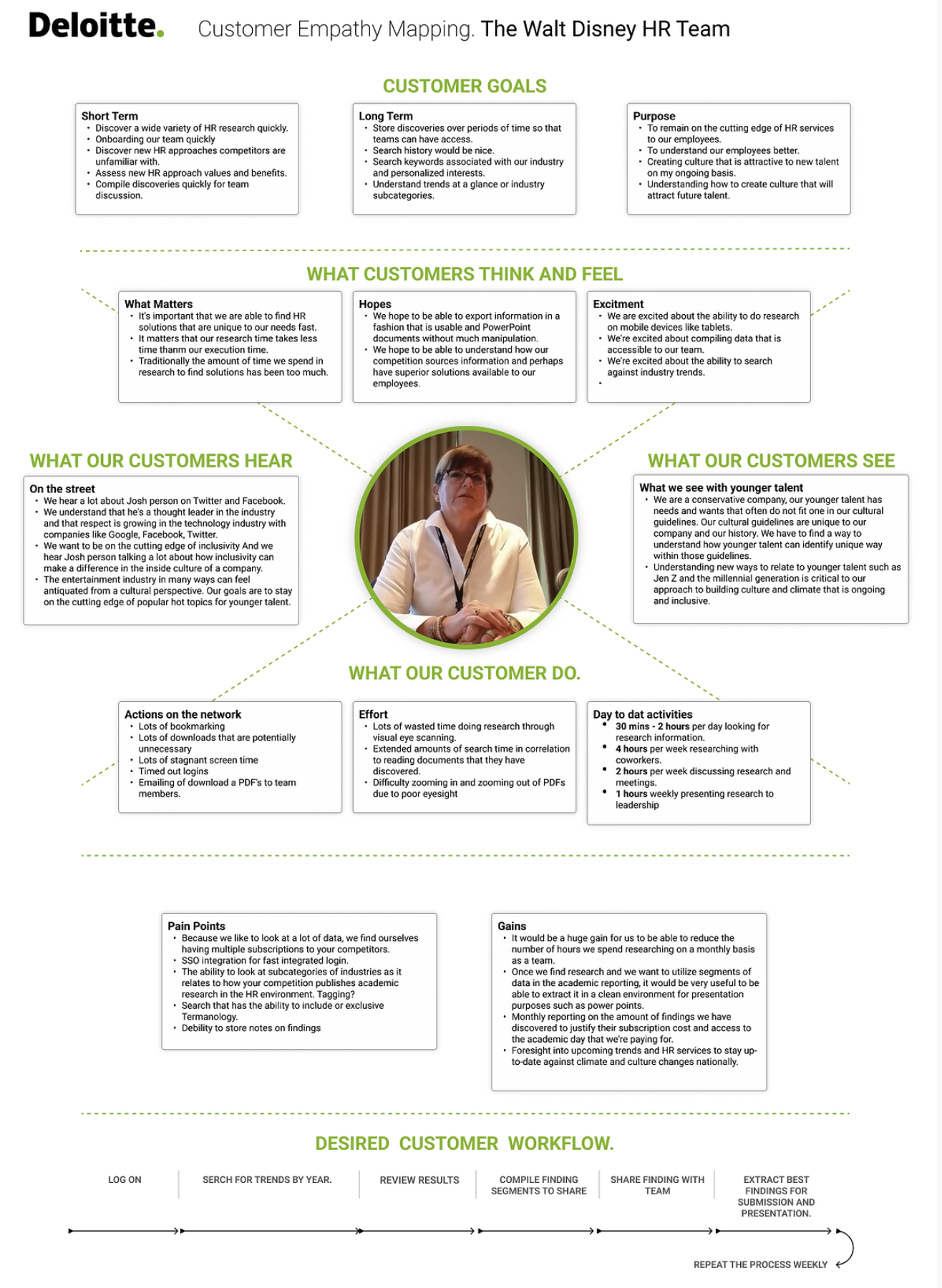
HR leaders from tier-one Bersin member companies, including the Walt Disney HR team.
Selected screens
Project summary
When Deloitte acquired the Bersin HR research platform, it came with a loyal enterprise audience and a product that was holding it back. The platform looked dated, offered limited functionality and overwhelmed the people who relied on it, and friction was rising as engagement fell. As Head of Product Design & Research, I led two phases: discovery research that defined a new MVP, and the design of a digital E-Reader that turned static research into an interactive experience.
The platform's integration into Deloitte's brand and its marketing ecosystem is a separate case study: Deloitte: Designing and Connecting the Bersin HR Marketing Platform.
Phase 1: Uncovering insights
The goal of discovery was to find the specific pain points behind the friction and set a clear direction for the MVP.
What customers told us. Interviews surfaced a consistent set of problems:
- Finding relevant HR knowledge quickly was hard.
- Sharing findings with colleagues was slow and clumsy.
- HR terminology made filtering and searching difficult.
- Taking notes and documenting research required third-party tools.
- People wanted to read and work on mobile devices, such as a tablet on the commute.
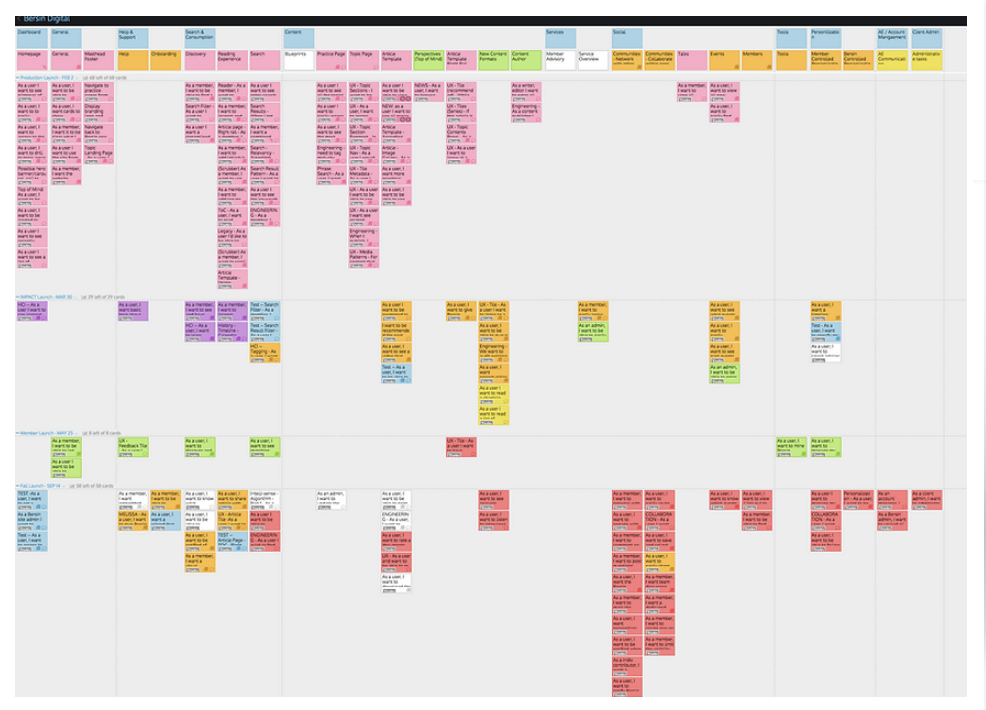
How we learned it. The team combined qualitative interviews, empathy mapping and story mapping, with a focus on tier-one customers such as the Walt Disney HR team. Key stakeholders and customers came together for a week-long off-site workshop, so the people funding the work heard the problems firsthand.
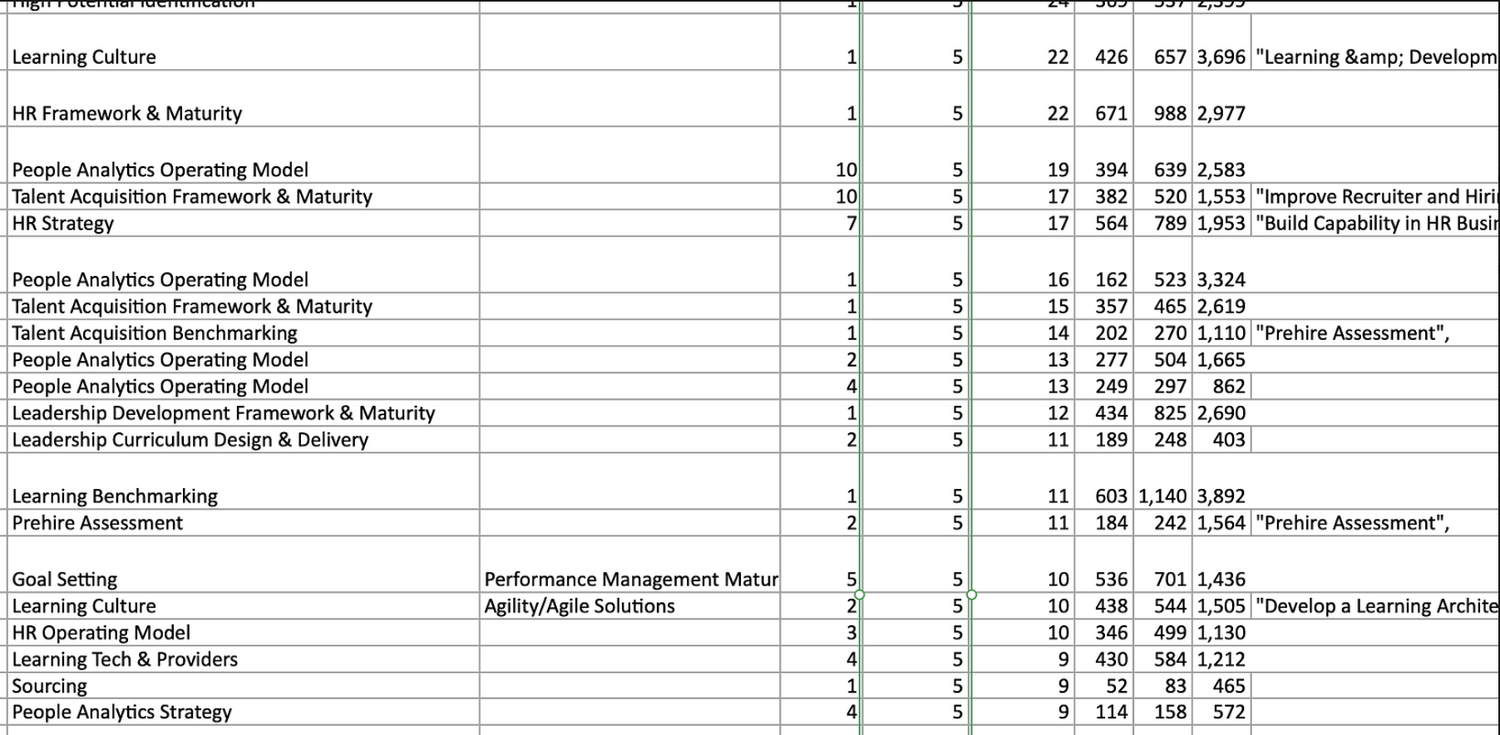
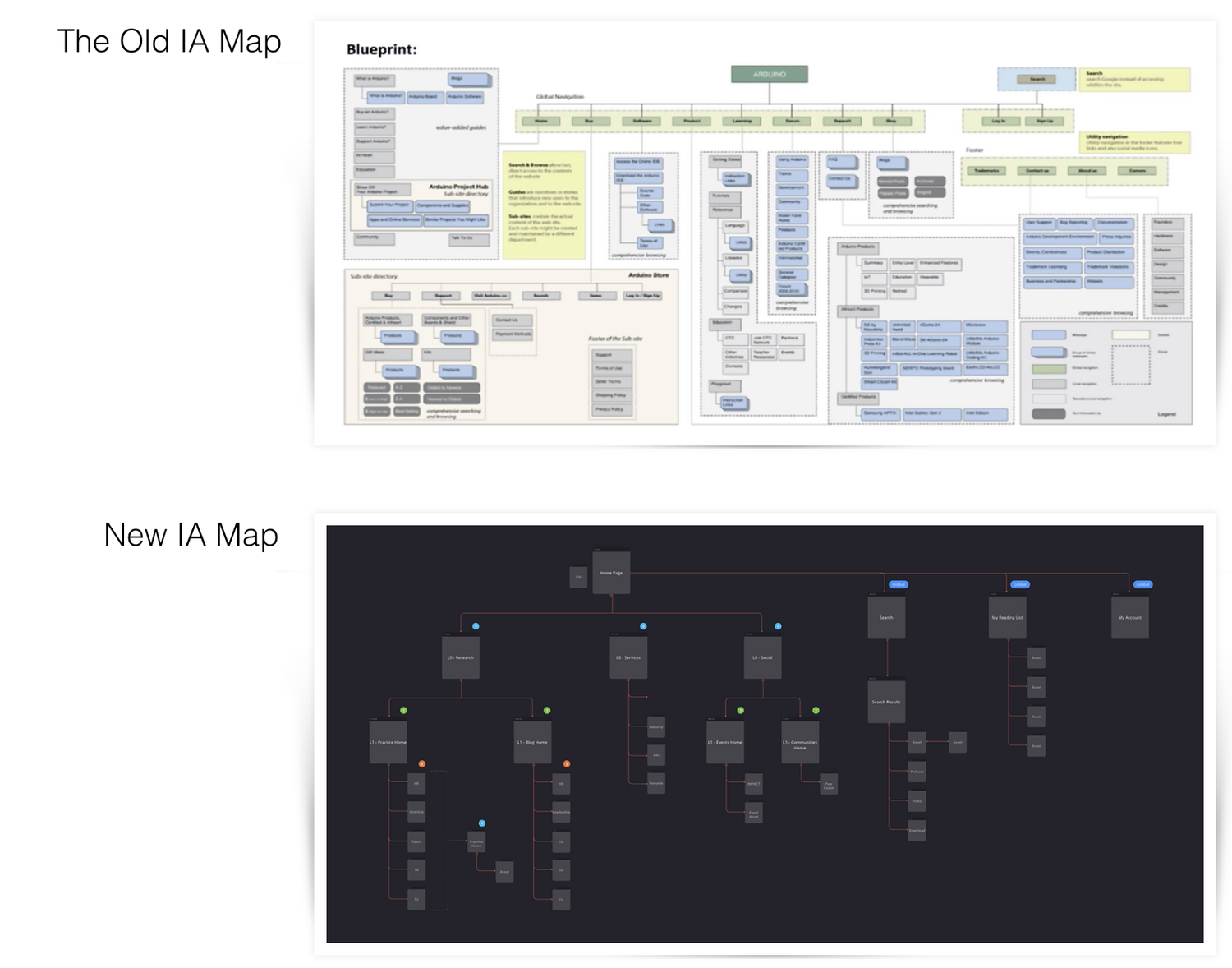
Analytics usage audit. An analytics-driven audit of the old platform showed which areas were underused. By examining real engagement patterns, the team identified features and sections that no longer earned their place and removed them, which made the new information architecture leaner and focused on what users valued most.
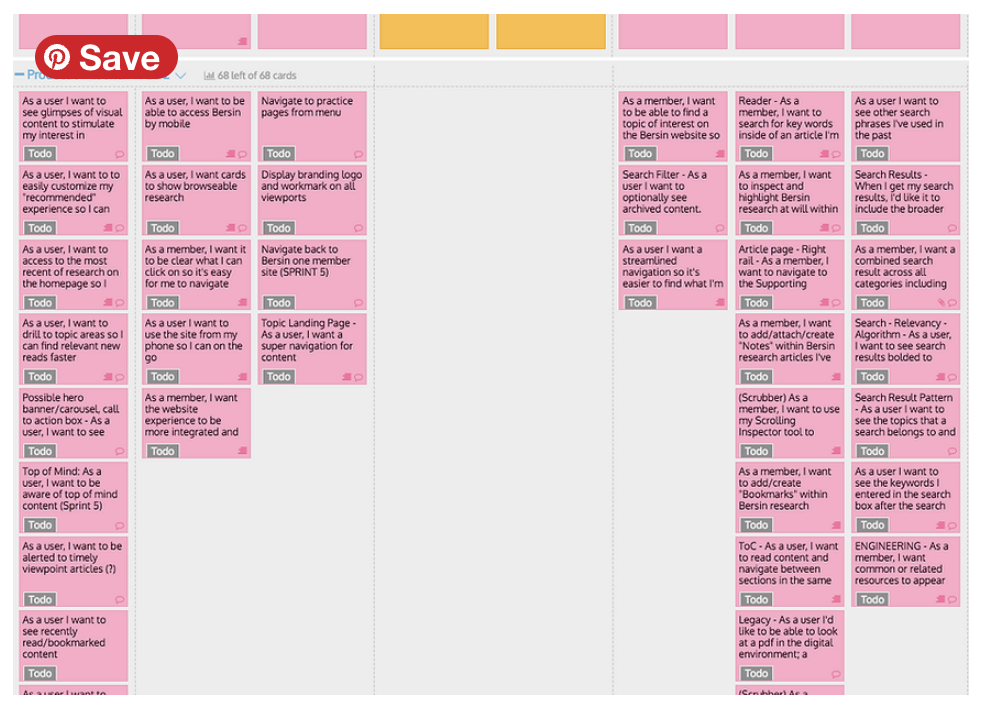
From findings to a plan. Through design thinking facilitation, the team worked through the backlog, investigations and audits, and turned the results into revised user stories aligned to the interview findings. Those stories were mapped to release dates in StoriesOnBoard and moved into Jira, so research became the delivery plan instead of a report.
Phase 2: Building the E-Reader
The challenge was to transform static PDF research reports into an interactive, mobile-first E-Reader, improving usability and engagement while keeping content secure and responsive across devices.
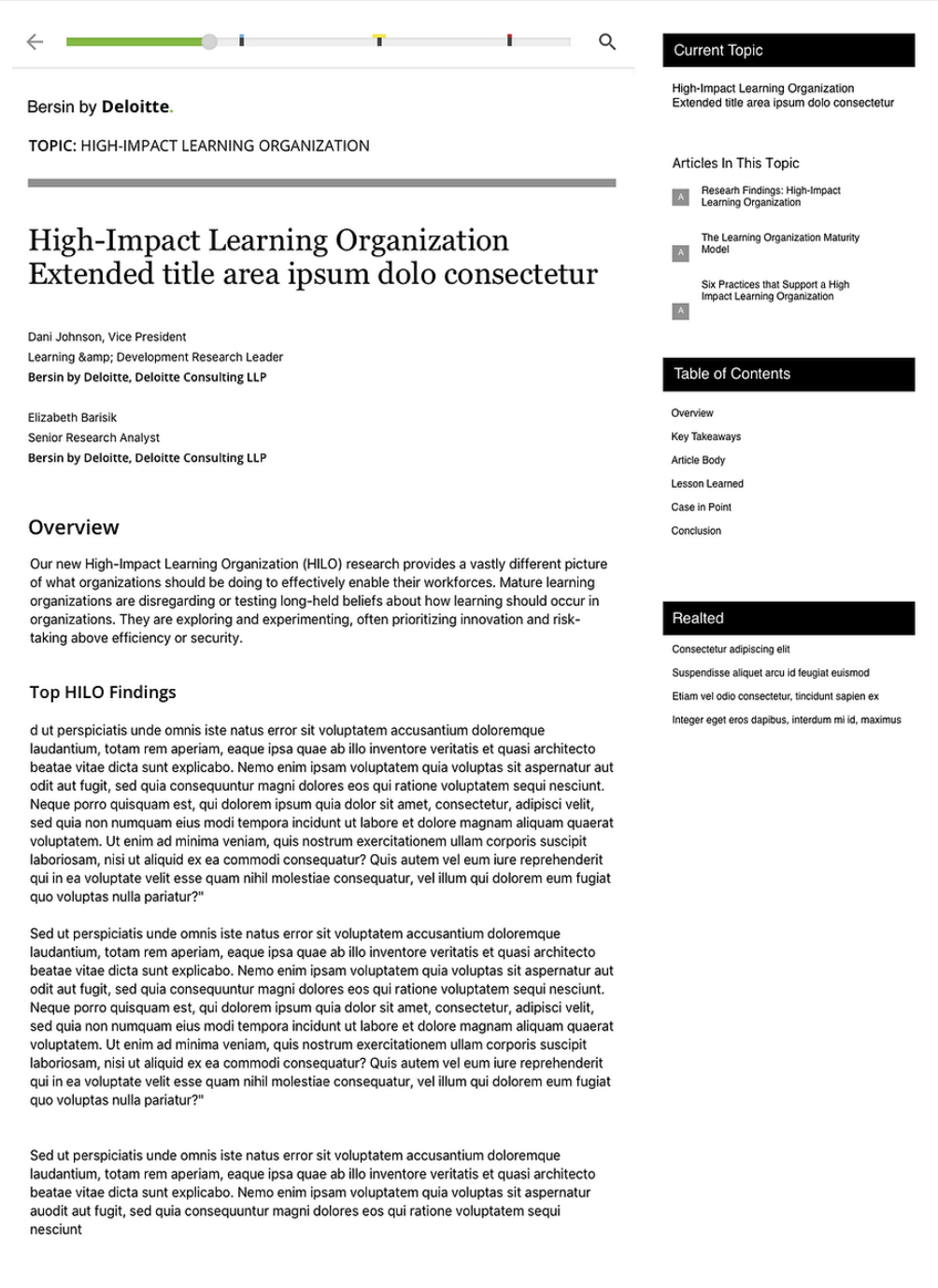
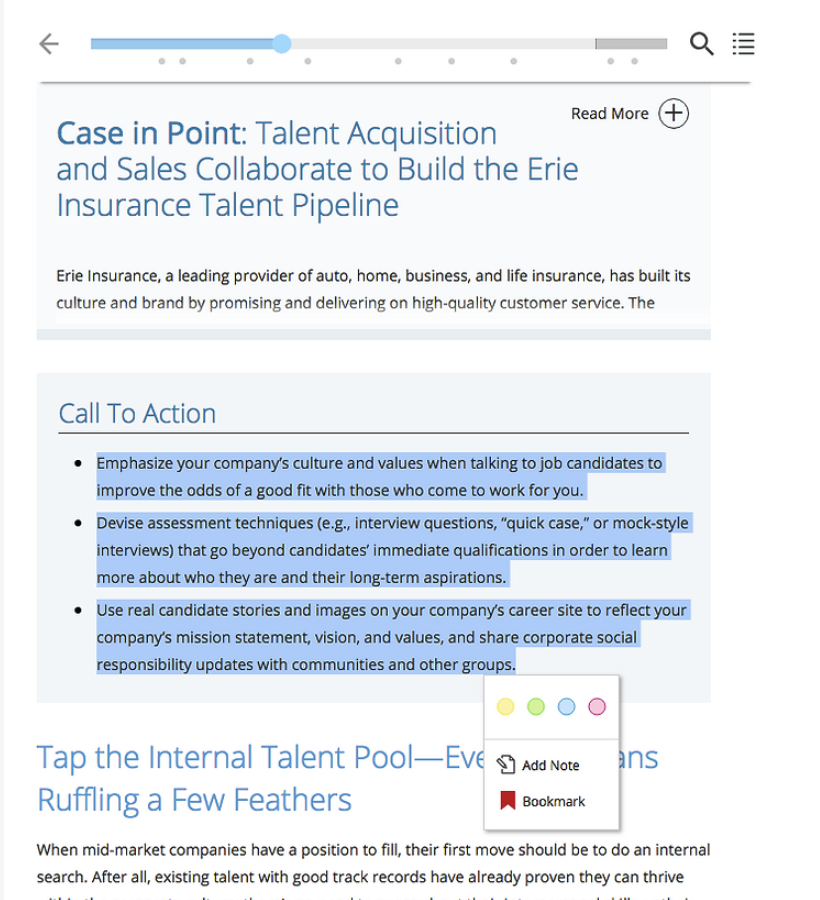
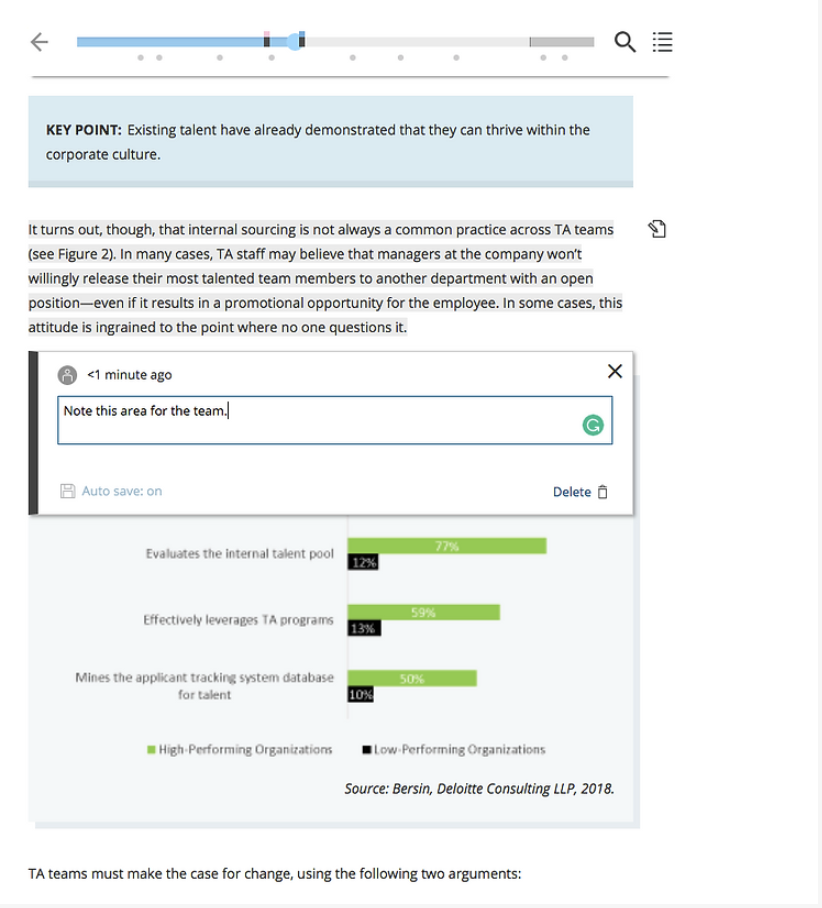
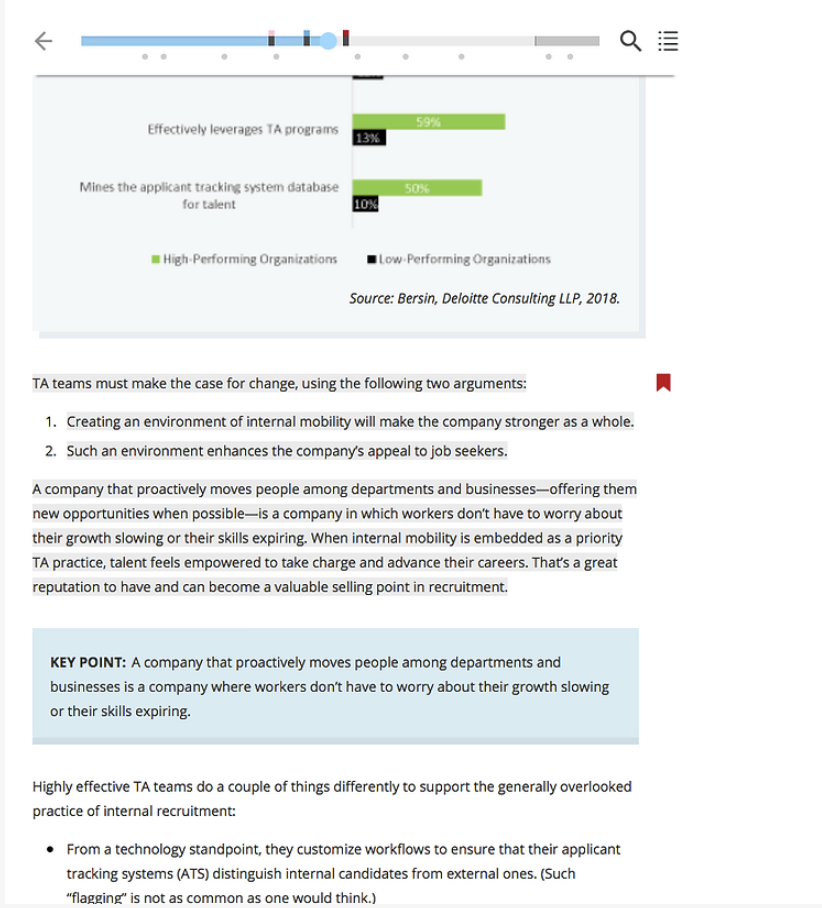
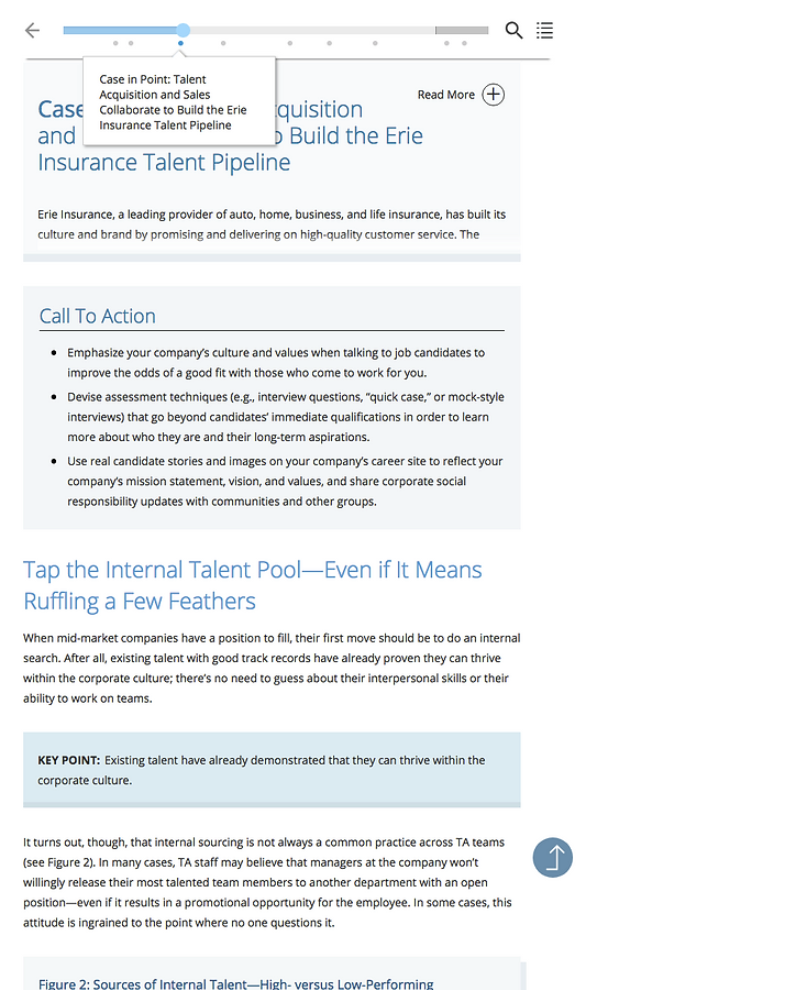
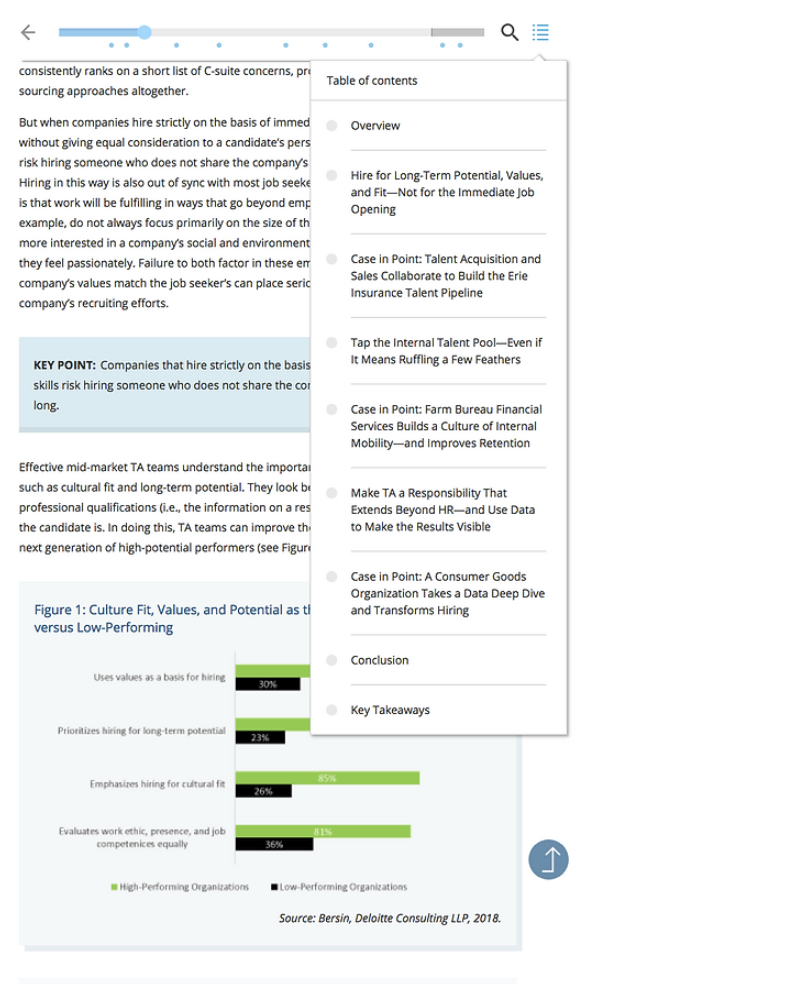
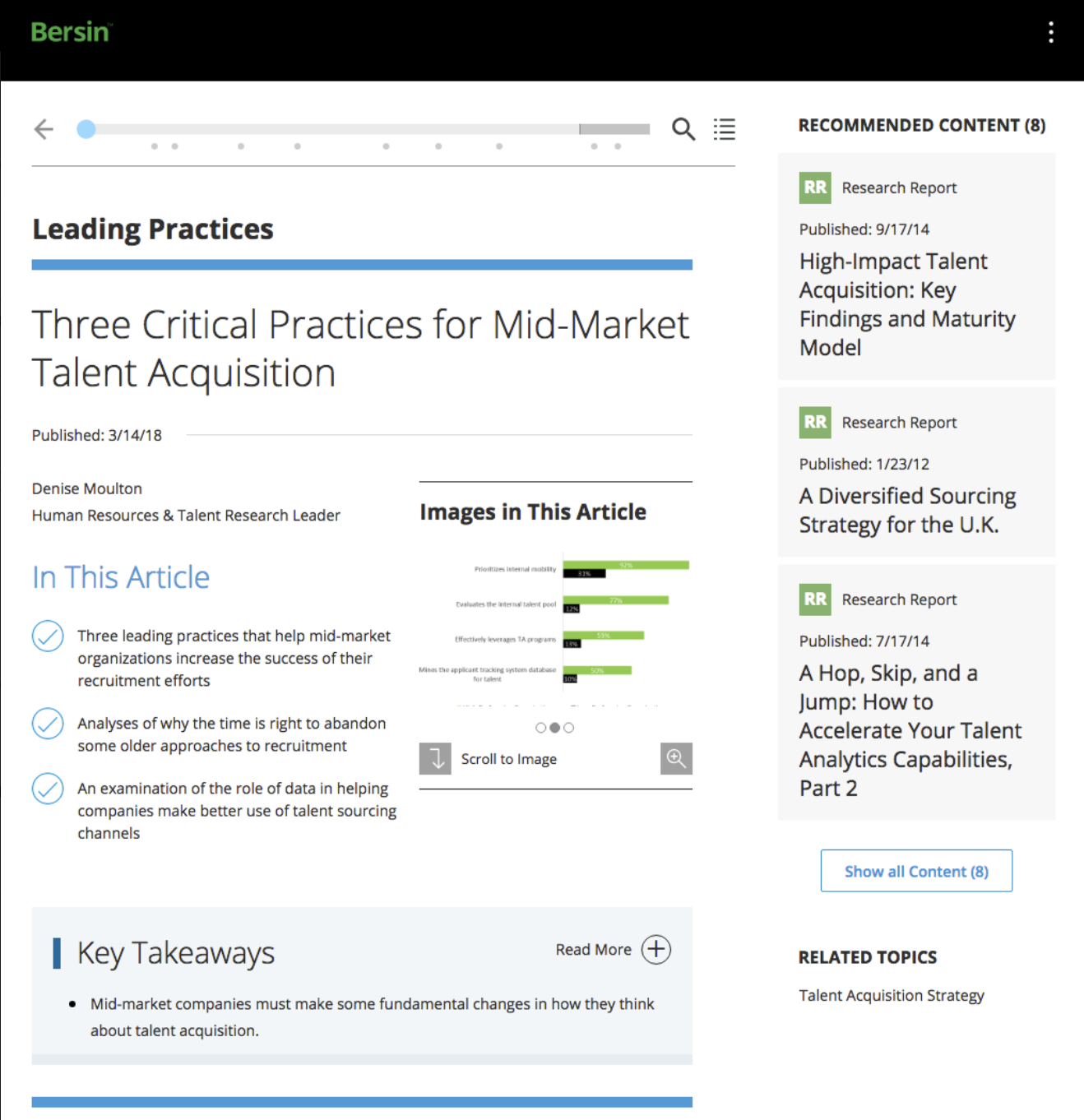
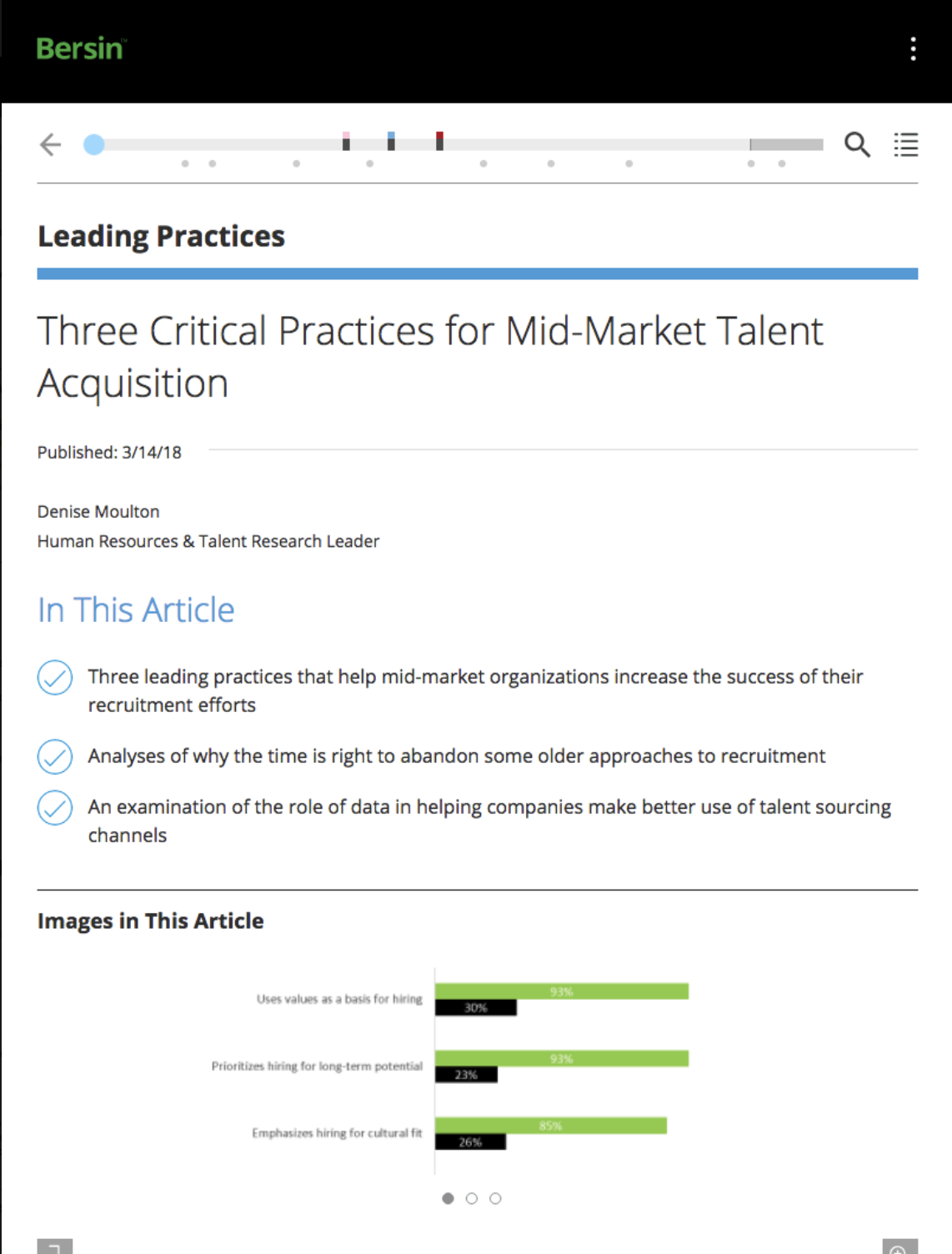
- A scrubber bar for navigation. A unique scrubber bar lets readers move quickly through long reports and see their activity at a glance. Saved highlights and notes appear as ticks on the bar, correlated with the text, and the table of contents opens from the scrubber menu.
- Embedded annotation. Highlighting and note-taking live inside the E-Reader, so readers capture insights where they read instead of in another tool.
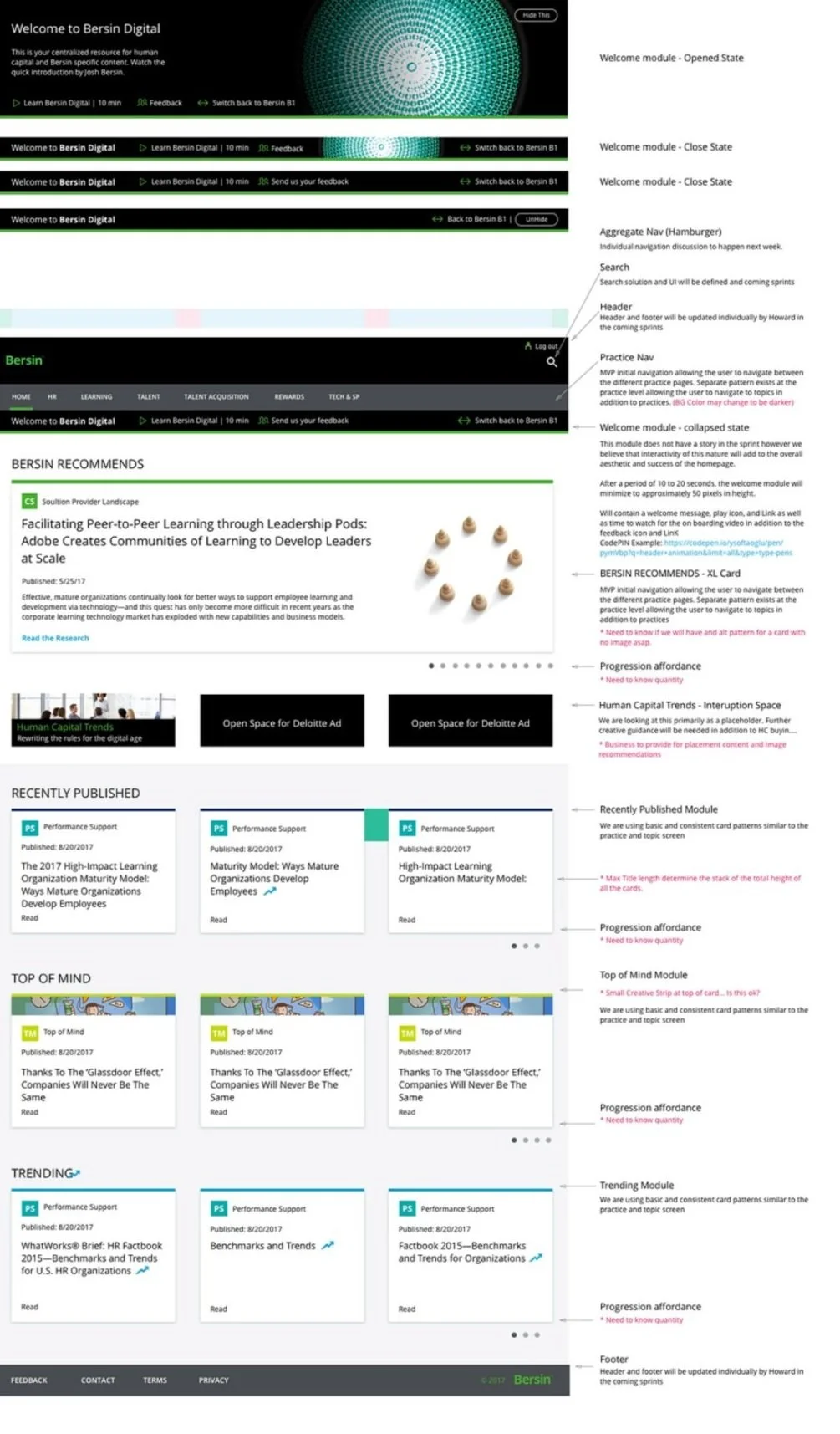
- Interactive content cards. Cards bring forward the information people scan for first (research title, type and publication date) and surface personalized content from deep within the CMS.
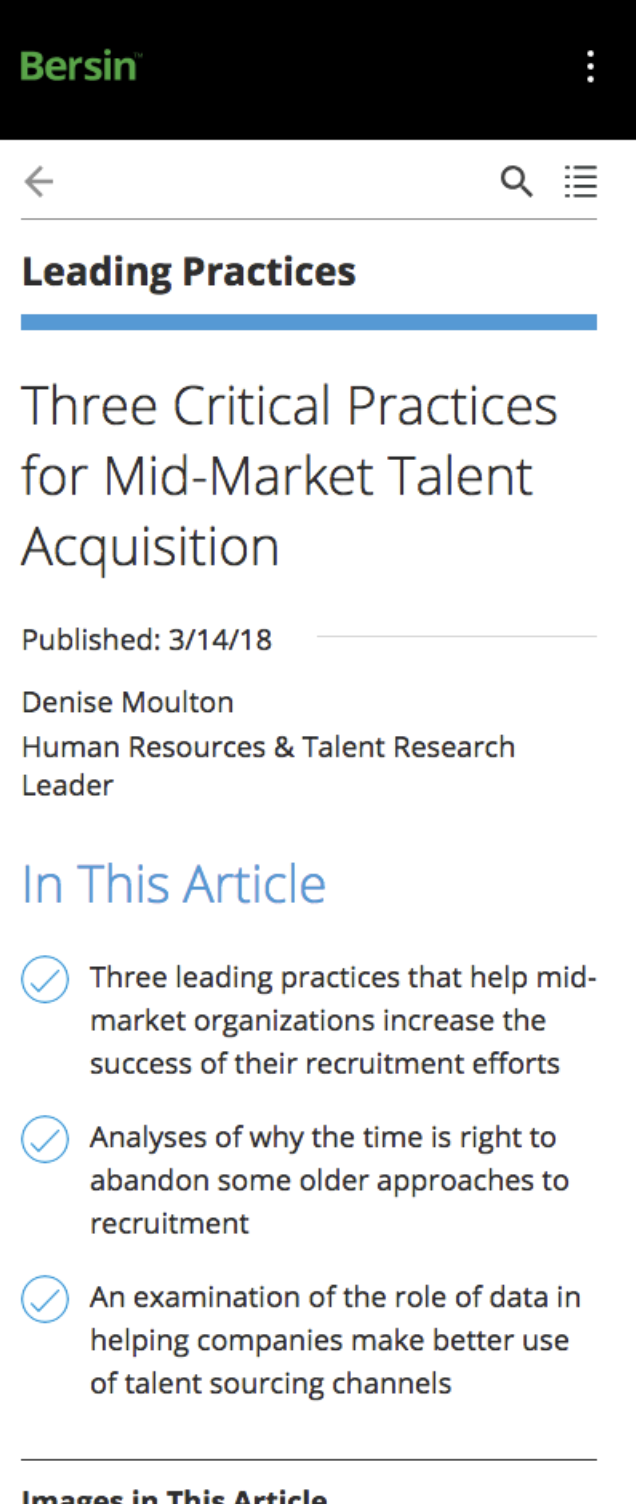
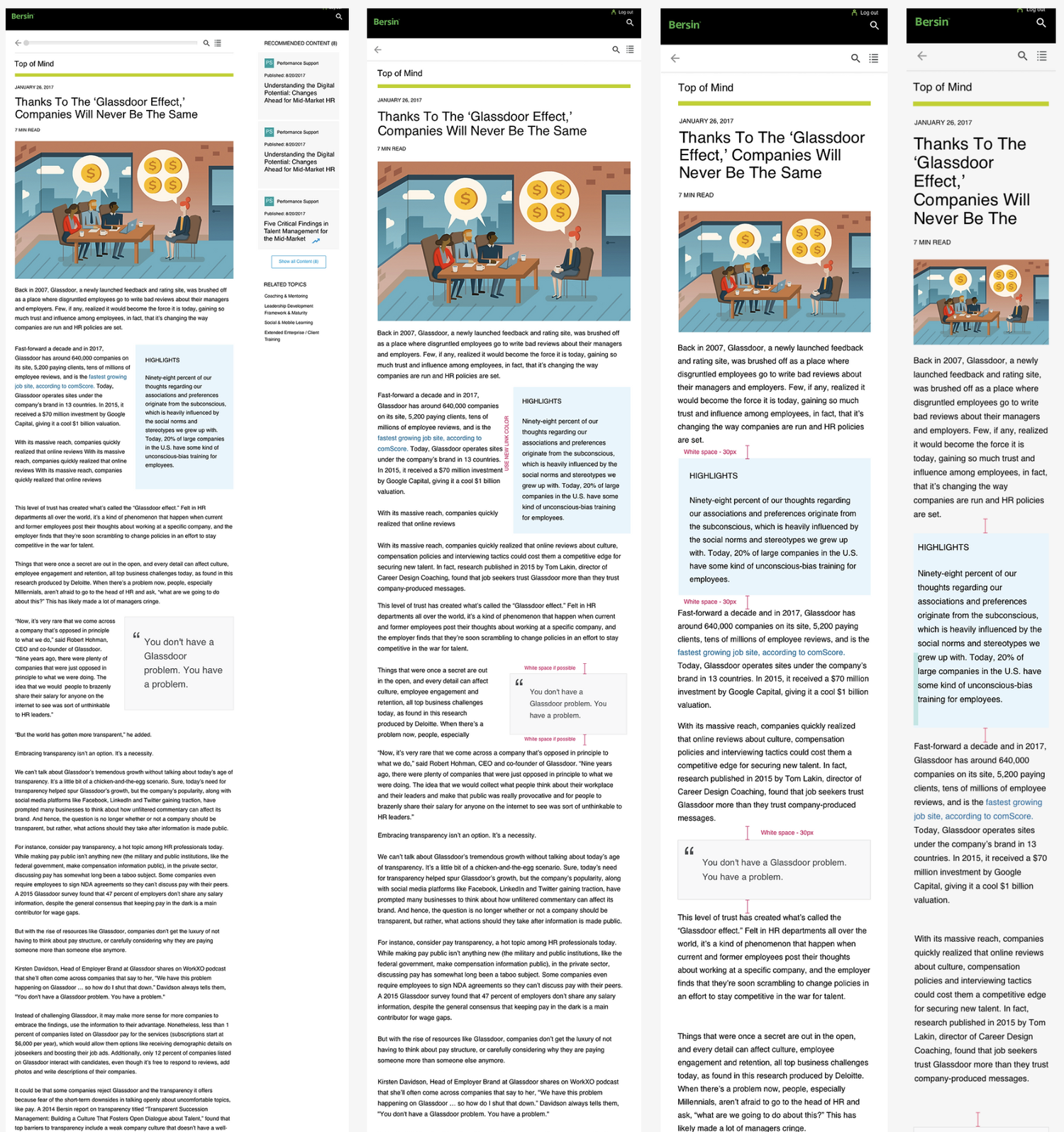
- Mobile-first and responsive. Desktop, tablet and phone layouts give seamless access to more than 36,000 reports, with personalized feeds and social integration keeping readers with niche interests up to date.
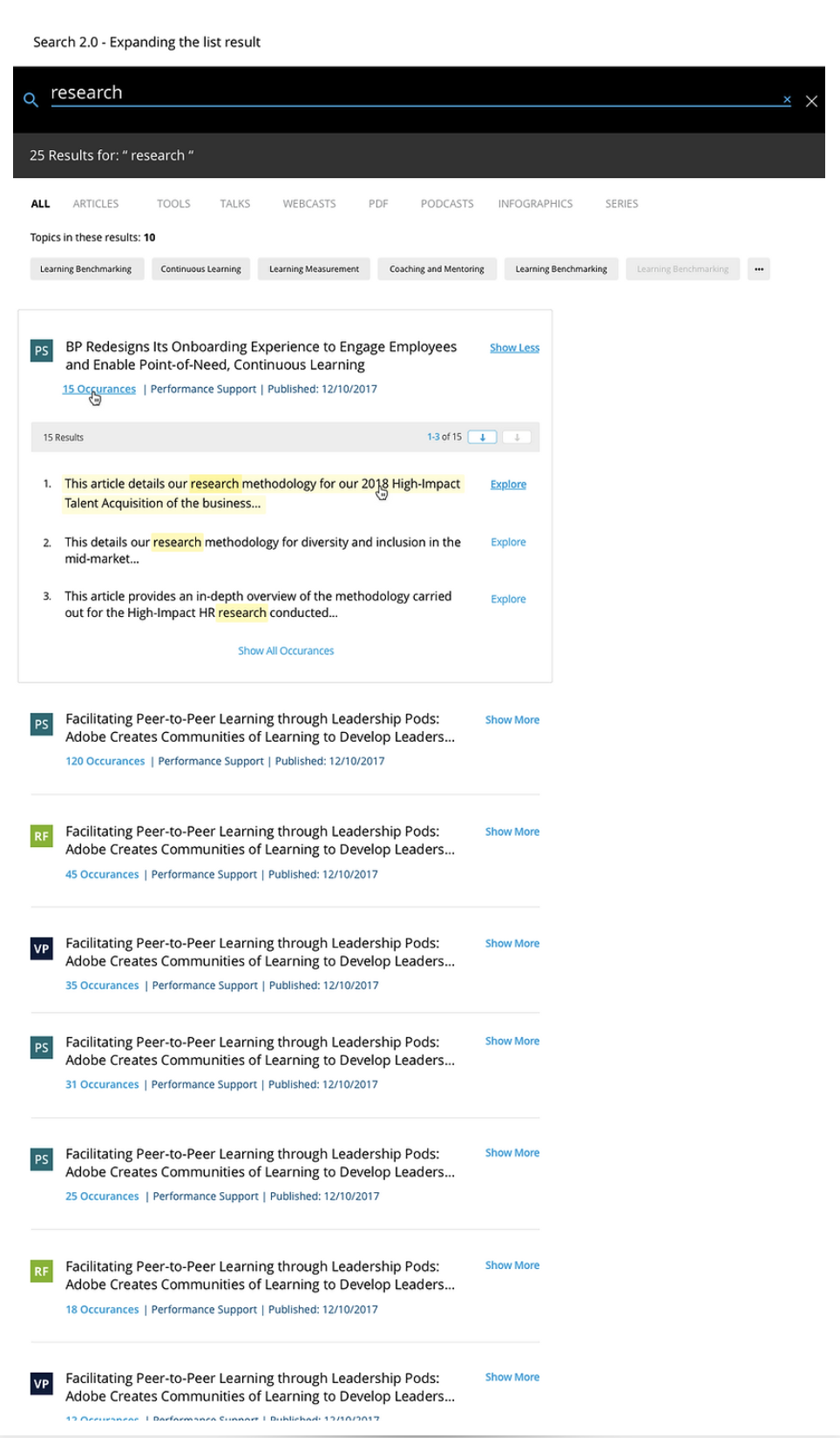
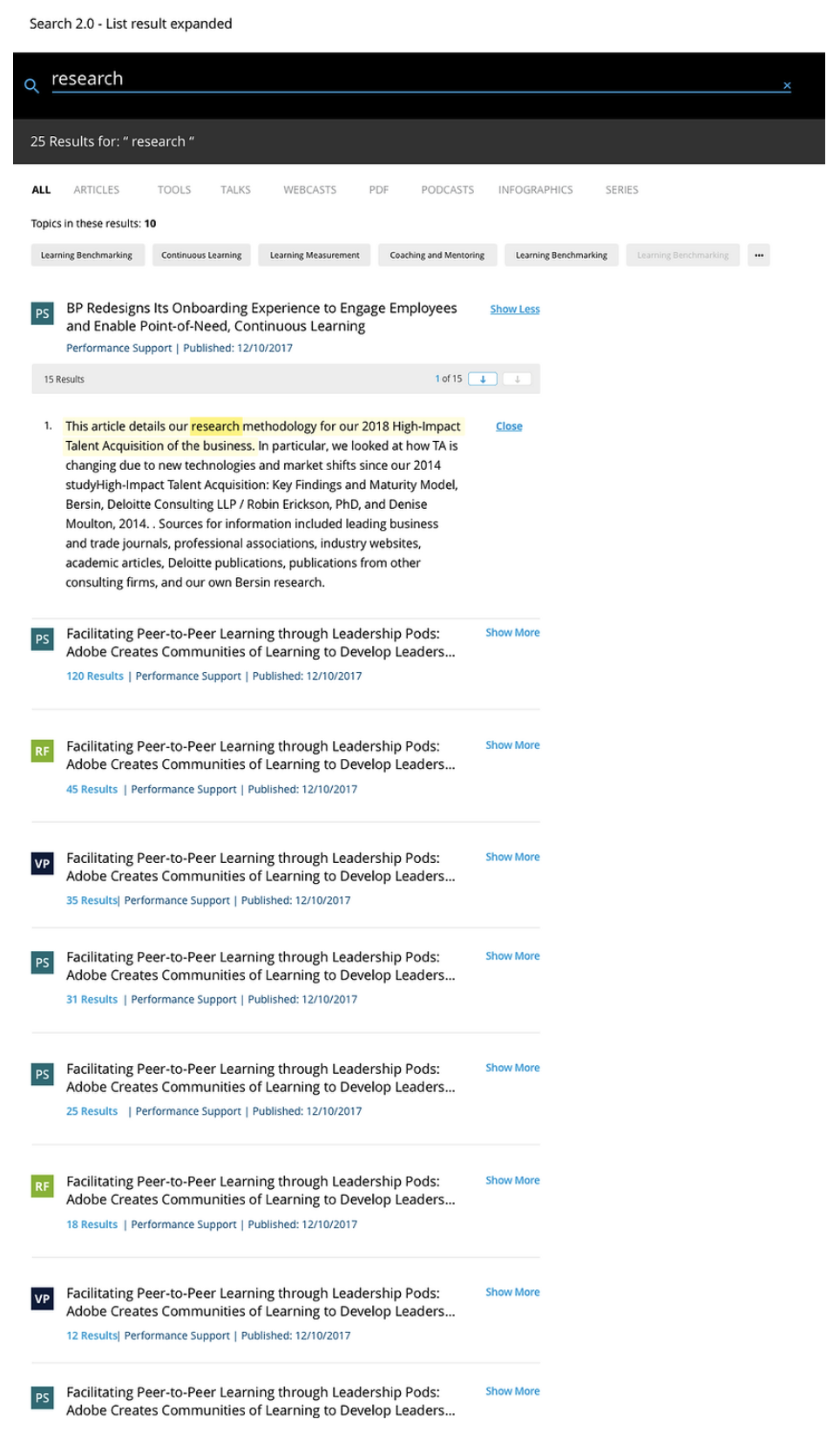
- Smart search. Results become more personal as the system learns from each reader's behavior, and phrase-sensitive search returns more relevant results from within academic research.
- Search incrementing. Research showed people expected context when searching reports of 50 to 200 pages. Incremental results now show the matching phrase in context from deep inside an article, which saves time and makes research more efficient.
User testing and customer feedback shaped each iteration, from the responsive layouts to the annotation tools and personalized results, and validated the design for an MVP ready to ship.
Results
The redesign produced the longest sustained use in Deloitte history, an average session of 3.5 hours, confirmed by customer analytics. The team's work also supported a projected revenue path from $20M to $250M (1150% growth), on top of a $1.3B revenue stream in HR consulting for Deloitte's Human Capital division.
Skills: UX Research, Product Design, Information Architecture, Interaction Design, Responsive Design, Search UX.